

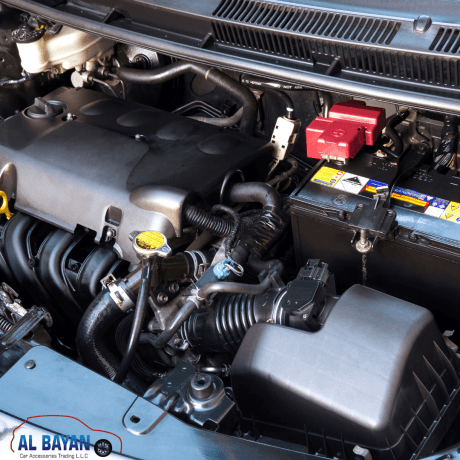
A dead car battery can happen at the most unexpected time, leaving you stranded and frustrated. Whether you are on a long trip, stuck in a parking lot, or facing a cold morning, having a reliable jump-start solution is essential. Two of the most commonly used methods are portable jump starters and traditional jumper cables. Each option has its own advantages and limitations, and understanding them can help you decide which tool is best for your vehicle and lifestyle. This article compares both methods and highlights the pros and cons of each.
Understanding Portable Jump Starters
Portable jump starters are compact, battery-powered devices that allow you to jump-start your car without another vehicle. They are increasingly popular for their convenience and reliability.
Pros of Portable Jump Starters
Easy to use and ideal for beginners
Can start the car without depending on another vehicle
Compact and lightweight, fits easily in the glove box or trunk
Works even in remote areas with no external help
Many models come with extra features like USB charging, flashlights, air compressors, and safety protection
Reduced risk of sparks and incorrect connections due to built-in safety features
Cons of Portable Jump Starters
Needs to be charged regularly to remain effective
Some low-quality models may fail in extreme temperatures
Higher upfront cost compared to jumper cables
Battery lifespan may reduce over time depending on usage
Not all models are powerful enough for larger vehicles like trucks or SUVs
Understanding Traditional Jumper Cables
Traditional jumper cables have been used for decades. They require another working vehicle to boost your dead battery using long, heavy cables.
Pros of Traditional Jumper Cables
Affordable and cost-effective
No need to recharge or maintain a battery pack
Powerful enough to jump-start almost any vehicle when used with a compatible battery
Long-lasting and durable when stored properly
Ideal for people who already travel in groups or have help nearby
Cons of Traditional Jumper Cables
Requires another working vehicle to function
Can be intimidating for beginners due to multiple cable connections
Risk of sparks or damage to the car's electrical system if connected incorrectly
Not ideal for emergencies in remote or isolated locations
Bulky and harder to store compared to compact jump starters
Weather conditions like rain or extreme cold can make cable use difficult
Portable Jump Starter vs. Jumper Cables: Key Differences
Convenience
Portable jump starters provide instant help without relying on anyone else.
Jumper cables require a second car, making them less convenient in emergencies.
Safety
Jump starters come with advanced safety tech such as reverse polarity protection.
Jumper cables can cause electrical damage or sparks if not handled properly.
Cost
Portable jump starters are more expensive initially.
Jumper cables are budget-friendly but may require help that isn't always available.
Maintenance
Jump starters must be charged and maintained regularly.
Jumper cables require no power source but need careful storage to avoid damage.
Which One Should You Choose?
Choose a Portable Jump Starter If:
You travel alone frequently
You drive in remote areas
You want a quick and easy solution during emergencies
You prefer multi-function tools with power banks, lights, etc.
You want a safer, more modern solution
Choose Traditional Jumper Cables If:
You are looking for a low-cost option
You usually drive with family or friends
You understand the correct jump-starting process
You're confident you can always find another vehicle for help
Conclusion
Both portable jump starters and traditional jumper cables can be lifesavers when your car battery dies. The best choice depends on your driving habits, budget, and comfort level. Portable jump start offers unmatched convenience, safety, and independence, making them ideal for solo travelers and emergency situations. On the other hand, traditional jumper cables remain a reliable and affordable option, especially if you often travel with others. Investing in either tool ensures you're never left stranded with a dead battery what matters most is being prepared.